
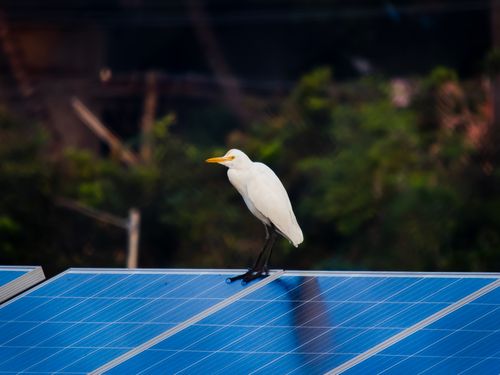
Pigeons, crows and other birds often rest on parapets, water tanks, antennas and elevated solar frames across Karachi. Their droppings can land directly on photovoltaic modules or collect near panel edges. Unlike loose dust, this contamination may dry into a hard patch that ordinary rain doesn’t remove.
Managing bird droppings on solar panels Karachi requires more than spraying the roof with water. Owners need a safe removal method, inspection of affected modules and practical measures that reduce repeated fouling without damaging panel frames or restricting ventilation.
Table of Contents
Problem 1: Localised Shading Reduces Performance
Bird waste normally covers one section of a module instead of creating an even film. That concentrated obstruction matters because photovoltaic cells are electrically connected, so heavy shading over a small area can limit part of the module’s output.
The IEA Photovoltaic Power Systems Programme’s soiling guidance identifies bird droppings on solar panels Karachi as a type of photovoltaic soiling and recommends site-specific cleaning decisions based on contamination, system design and economics.
Solution: Remove Deposits Promptly
Schedule solar bird dropping removal when deposits become visible rather than waiting for the complete array to look dirty. Early treatment prevents dust and pollution from sticking to the waste and making it harder to remove.
Owners should also compare daily generation with previous clear days. A decline may justify inspection, although output can also change because of clouds, temperature, shading or electrical faults.
Problem 2: Persistent Deposits Can Create Hot Areas
When part of a module is shaded, affected cells may operate differently from surrounding cells. Under some conditions, this mismatch contributes to local heating.
A study published in Scientific Reports found higher module temperatures and reduced performance under bird-dropping conditions. The results show why persistent and concentrated contamination deserves attention instead of being treated as a harmless surface mark.
This doesn’t mean every small mark will immediately damage a panel. However, solar hotspot prevention includes removing visible obstruction and investigating modules that continue showing abnormal temperature or output after cleaning.
Solution: Inspect After Cleaning
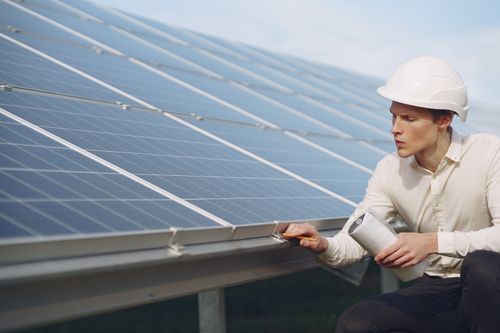
Technicians should check the glass, frame and visible cell area for discolouration, cracks or burn-like marks. Larger commercial systems may justify infrared thermography when repeated fouling or unexplained production losses occur.
A hot area can have several causes, including cell damage, poor connections and electrical mismatch, so diagnosis shouldn’t rely on appearance alone.
Problem 3: Dried Droppings Are Hard to Remove Safely
Bird waste can harden under Karachi’s heat and attach strongly to module glass. Scraping it with a blade, metal tool or rough pad may scratch the surface or affect its protective coating.
Professional solar panel cleaning Karachi should use module-safe tools and proper roof access, especially where panels are installed near edges or on elevated structures.
Solution: Soften Before Wiping
The deposit should first be soaked with clean water and allowed to soften. A soft microfiber pad or non-abrasive brush can then loosen it with light pressure.
Cleaning should take place while modules are cool, usually earlier in the morning or later in the day. Applying cold water to extremely hot glass may create unnecessary thermal stress.
High-pressure jets shouldn’t be aimed at junction boxes, connectors or damaged seals. Workers must not stand or kneel on modules. Manufacturer instructions should take priority when they specify approved tools, water quality or cleaning products.
Problem 4: Rain Isn’t a Complete Cleaning Plan
Karachi’s rain can remove loose dust, but sticky bird waste may remain. Rainwater can also move dirt towards the lower module edge and leave streaks or mineral deposits after evaporation.
Waiting for the monsoon isn’t a dependable solar bird dropping removal strategy, particularly on low-tilt arrays or beneath common bird-perching points.
Solution: Use Condition-Based Cleaning
Inspect the array every few weeks from a safe position and review inverter production regularly. Cleaning frequency should reflect actual bird activity, dust levels, roof design and panel tilt.
A property with water tanks, ledges or nearby feeding areas may need more frequent attention than another building in the same neighbourhood. Cleaning based on actual conditions is more practical than using the same fixed schedule for every site.
Problem 5: Birds May Nest Beneath the Array
Droppings on the glass can signal a larger issue. Birds may enter beneath elevated panels and bring nesting material, feathers and food debris.
This material can collect near cables, block roof drainage and make future maintenance more difficult. Nesting birds may also disturb unsupported wires or hide existing cable damage.
Effective bird proofing solar panels should use humane exclusion rather than harmful control. Any solution must preserve airflow and allow technicians to reach the modules, wiring and mounting system for future work.
Solution: Install Compatible Exclusion Measures
Suitable perimeter mesh or another professionally designed barrier may stop birds from entering beneath the modules. Fixings shouldn’t require drilling into panel frames unless the manufacturer permits it, and barriers shouldn’t press against cables or trap leaves.
Loose netting, dangling wires and badly positioned spikes can create new risks. Safe bird proofing solar panels requires an assessment of roof layout, bird behaviour, drainage and maintenance access.
The roof should be cleaned and inspected before exclusion is installed so nests, debris or damaged wiring aren’t left hidden underneath the array.
What a Professional Service Should Include
A complete solar panel cleaning Karachi visit for bird contamination should cover:
- Assessment of contamination and rooftop access risks
- Safe softening and removal of dried deposits
- Cleaning with non-abrasive equipment
- Examination of module glass and frames
- Inspection of visible cables, clamps and drainage
- Before-and-after photographs
- Basic review of inverter alerts or production
- Recommendations for recurring bird activity
The US Department of Energy’s photovoltaic maintenance guidance treats cleaning, inspection, performance review and corrective work as connected parts of maintaining an existing solar system.
The quotation should explain whether the service only covers cleaning or also includes inverter checks, structural observations, electrical testing and bird-control measures.
When Is Technical Testing Needed?
Arrange further testing when a module continues producing less after cleaning, shows discolouration or repeatedly develops a hot area.
Qualified technicians may check:
- String current and voltage
- Connectors and cable condition
- Bypass-diode operation
- Inverter fault records
- Thermal patterns across the module
- Performance differences between strings
This supports solar hotspot prevention by separating surface contamination from an electrical or module defect. Repeated cleaning won’t repair faulty equipment.
Choosing a Karachi Cleaning Provider
People arranging professional solar panel cleaning and maintenance should confirm that bird waste will be softened rather than scraped and that technicians follow suitable rooftop-safety procedures.
The provider should use tools that won’t scratch the module surface or disturb electrical components. Before-and-after photographs can help customers verify that deposits were removed and understand any defects found during the service.
The quotation should also clarify whether bird-exclusion work, electrical testing and damaged-component replacement are included or priced separately.
Final Thoughts
Managing bird droppings on solar panels Karachi means addressing the immediate contamination and the reason it keeps returning. Safe cleaning restores the glass surface, while inspection helps identify local heating, cable damage, blocked drainage and nesting beneath the array.
A practical plan combines solar bird dropping removal, suitable bird proofing solar panels and monitoring for solar hotspot prevention. Timely solar panel cleaning Karachi protects output without unsafe scraping, harsh chemicals or improvised rooftop deterrents.
FAQs
Can Bird Droppings Permanently Damage a Solar Panel?
Short exposure may only cause temporary shading, but persistent contamination can contribute to local heating and conceal physical damage. The area should be cleaned safely, followed by investigation when output or temperature remains abnormal.
Can Household Detergent Be Used?
Only use products approved by the module manufacturer. Harsh chemicals or residue-producing detergents may affect surface coatings or leave a film that attracts more dirt.
How Often Should Panels Be Checked?
Frequency depends on nearby birds, ledges, water tanks, panel tilt and local dust. Properties with repeated bird activity may need visual checks every few weeks.
Does Bird Mesh Affect Panel Cooling?
Poorly designed barriers can restrict airflow or trap debris. Properly selected and installed mesh should preserve ventilation, drainage and maintenance access.