

Construction work can leave solar panels covered in fine cement particles, plaster residue and airborne building dust. For homes, factories and commercial properties across Karachi, this contamination needs a different approach from routine dust removal. Construction Dust Solar Cleaning Karachi focuses on removing construction-related deposits without scratching the glass or leaving additional residue behind.
Why Construction Residue Needs Special Attention
Ordinary dust may wash away relatively easily, but construction materials can contain fine mineral particles that adhere to surfaces. Research published in Solar Energy examined building-material dust, including cement and gypsum, and found that natural cement produced particularly significant energy losses among the tested materials. The study also identified cement residue as difficult to remove through dry cleaning alone. Read the research on construction-material dust and photovoltaic performance.
This makes cement dust on solar panels a concern for properties installing or operating solar systems near renovation projects, roadworks and building developments.
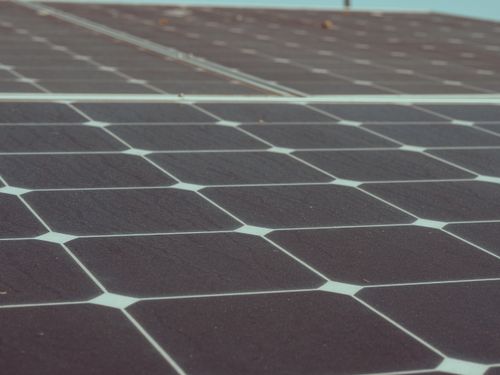
The first step in post-construction panel cleaning is identifying what has settled on the glass. Technicians should check whether the contamination consists of loose particles, dried splashes or hardened deposits before selecting an appropriate method.
Inspect Before Starting the Cleaning Process
A proper Construction Dust Solar Cleaning Karachi service begins with a visual inspection. Technicians should document the affected sections, assess the condition of the glass and identify any damaged areas that require separate attention.
Dry brushing hardened material without checking its texture can drag abrasive particles across the surface. Similarly, scraping dried cement dust on solar panels with metal tools may cause scratches rather than restore the glass.
For effective post-construction panel cleaning, the method should follow the panel manufacturer’s maintenance instructions. Loose particles, stubborn deposits and dried construction splashes shouldn’t automatically receive the same treatment.
How to Remove Construction Dust Safely
A controlled cleaning process can help avoid unnecessary damage.
First, assess the module condition and choose suitable cleaning equipment. Remove loose contamination using an approved, non-abrasive method. Where residue remains, follow the manufacturer’s guidance for wet cleaning and compatible water quality.
During Construction Dust Solar Cleaning Karachi, technicians should never assume that stronger pressure or rougher tools will produce better results. Hardened material that doesn’t respond to an approved method may require specialist assessment instead of aggressive scraping.
Research on photovoltaic soiling continues to examine how different dust compositions affect cleaning requirements. A 2025 urban field study reported average power losses of 23.4% for heavily soiled horizontal panels and 15% for tilted panels under its particular test conditions. Read the 2025 study on urban photovoltaic dust accumulation. These findings aren’t a guaranteed estimate for every Karachi installation, but they highlight why contamination deserves attention.
When Should Panels Be Cleaned After Construction?
Schedule post-construction panel cleaning after nearby work has stopped producing heavy airborne dust, where practical. If construction continues, inspect the panels periodically and coordinate cleaning with the site’s activity.
For properties dealing with cement dust on solar panels, record the cleaning date, affected sections and visible condition afterwards. This helps determine whether fresh contamination is settling quickly and whether another visit is necessary.
Pakistan’s solar expansion adds importance to effective maintenance. The IEA’s 2026 global energy review estimates that Pakistan added around 10 GW of solar photovoltaic capacity in 2025, largely through distributed installations. As more properties rely on solar generation, well-planned post-construction panel cleaning can become a useful part of site maintenance.
Choose Professional Cleaning for Construction-Exposed Panels
A reliable Construction Dust Solar Cleaning Karachi programme should combine inspection, an appropriate cleaning method and a final surface check. Photographing the same sections before and after service provides a practical record of the result.
For properties dealing with cement dust on solar panels, the priority is to remove contamination without introducing scratches or unsuitable cleaning chemicals. Arrange post-construction panel cleaning according to actual site conditions rather than assuming every installation requires the same treatment.
Contact SolarSweep to discuss construction-dust removal and solar panel maintenance for your Karachi property. A site-specific approach to Construction Dust Solar Cleaning Karachi can help maintain clean module surfaces while protecting the equipment during the cleaning process.
FAQs
Can cement dust damage solar panel glass?
Cement particles can be abrasive, particularly when dragged across the glass during dry cleaning. Hardened residue should be assessed before any removal method is selected.
When should solar panels be cleaned after construction?
Arrange cleaning once heavy dust-generating work has stopped, where possible. If construction continues nearby, inspect the panels and plan additional cleaning according to the contamination level.
Can hardened cement be removed with a metal scraper?
Metal scrapers can scratch the glass. Follow the manufacturer’s approved cleaning instructions and seek specialist advice for deposits that don’t respond to suitable non-abrasive methods.
Does construction dust reduce solar electricity production?
It can reduce the sunlight reaching photovoltaic cells. The actual production loss depends on the amount and composition of the contamination, panel orientation and other operating conditions.