

Karachi’s monsoon can leave commercial rooftop systems covered with mud spots, windblown debris, bird waste and mineral deposits. Heavy rain may also expose loose clamps, damaged cable supports, blocked drains and weak waterproofing around mounting points.
Professional post-monsoon solar maintenance Karachi moves beyond a basic rooftop wash. It should combine safe cleaning, electrical inspection, mounting assessment and production analysis so that developing faults are corrected before they increase downtime or repair costs.
Table of Contents
Why Commercial Systems Need Attention After Rain
Commercial arrays contain more panels, longer cable routes and multiple strings or inverters. A small defect can therefore affect a larger section of the installation. Water entry, loose cables or displaced debris may not cause an immediate shutdown, but they can reduce reliability and create safety concerns.
A planned commercial solar maintenance Karachi visit gives facility managers a documented record of the system’s condition after weeks of rain, humidity and wind. It also allows current production to be compared with expected performance before the drier months begin.
The US Department of Energy recommends post-storm operation and maintenance measures to identify damage, restore safe operation and reduce recovery time after severe weather.
Problem 1: Rain Doesn’t Always Clean the Panels
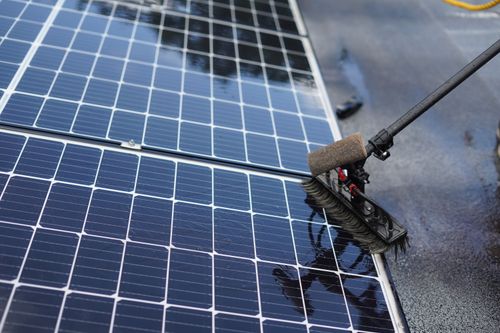
Rain can remove loose dust, but it may also create mud streaks when particles mix with water. Dirty runoff can settle along module edges, while bird droppings and oily pollution may remain attached to the glass.
Professional rooftop solar cleaning Karachi should begin with a site assessment rather than immediate pressure washing. Technicians should identify hardened contamination, cracked glass and unsafe electrical areas before applying water.
Soft, module-safe tools and suitable water should be used while panels are cool. Abrasive pads, detergent powder and high-pressure jets near connectors should be avoided. Workers must never stand or kneel on modules.
Problem 2: Moisture Can Expose Electrical Faults
Water may enter damaged connectors, poorly sealed enclosures or cracked cable insulation. Inverter warnings, ground-fault trips and unexplained shutdowns after rainfall can show that the system needs more than cleaning.
A technical solar panel inspection Karachi should cover visible DC cables, connectors, cable trays, isolators, inverter enclosures and earthing components. Loose cables should be supported, damaged ties replaced and exposed conductors isolated for qualified repair.
Repeatedly resetting an inverter without finding the cause can hide a developing fault. The maintenance report should record alarms, affected strings and recommended action.
Problem 3: Drains and Mounting Bases Become Blocked
Leaves, packaging and windblown debris can collect around mounting bases and roof drains. Standing water may then remain close to anchors, cables or waterproofing joints.
During post-monsoon solar maintenance Karachi, technicians should inspect drainage paths without moving structural parts or damaging the roof membrane. Signs of ponding, leakage or seal deterioration should be photographed.
Persistent water near cables, metal fittings and electrical equipment can shorten component life and make later maintenance more difficult.
Problem 4: Wind Can Loosen Mechanical Components
Monsoon winds place repeated forces on panels, clamps, rails and elevated frames. New vibration noises, misalignment or visible movement shouldn’t be ignored.
A professional solar panel inspection Karachi should review clamps, rail connections, braces, fasteners and accessible anchors. Technicians should look for missing parts, corrosion, cracked profiles and movement around mounting points.
Fasteners shouldn’t be tightened randomly because torque requirements depend on the component and manufacturer’s instructions. Significant movement should be referred to a competent specialist.
Problem 5: Output Remains Low After Cleaning
A visually clean array can still underperform because of an offline string, inverter derating, cable damage, shading or module faults.
A solar system performance check should compare inverter data, recent generation and available historical records. Similar days can be reviewed for unexpected differences, while alarm logs may show when a fault began.
NREL’s photovoltaic operations and maintenance guidance is designed to reduce operating and maintenance costs while improving maintenance effectiveness.
What the Service Should Include
A complete commercial solar maintenance Karachi service should include:
- Safe removal of mud, leaves and bird waste
- Examination of module glass and frames
- Inspection of clamps, rails and accessible anchors
- Review of cable support and connectors
- Inverter alarm and ventilation checks
- Drainage and waterproofing observations
- Before-and-after photographs
- A basic solar system performance check
- Written recommendations for repairs
The quotation should distinguish inspection from repair. Electrical testing, component replacement, waterproofing and structural corrections may require separate approval.
Protecting Commercial Returns
Commercial solar systems are financial assets. Reduced generation increases grid dependence and weakens the expected return from the installation. Small defects can also become more expensive when they remain unnoticed.
Condition-based rooftop solar cleaning Karachi can control unnecessary visits by linking cleaning with visible contamination and generation trends. It’s more useful than washing panels on an arbitrary date without checking output.
The IEA Photovoltaic Power Systems Programme explains that soiling affects photovoltaic yield and that mitigation should reflect local conditions, system design and cleaning economics.
When to Book Post-Monsoon Maintenance
Arrange a service after the rainy period, after a particularly strong storm or when the system shows:
- Repeated inverter alarms
- Lower production than comparable periods
- Mud, leaves or bird waste
- Loose or hanging cables
- Panel movement or unusual vibration
- Water ponding near the array
- Leakage around mounting points
- Corrosion or damaged fasteners
Large properties shouldn’t wait for a full shutdown. Early inspection allows repairs to be planned around business operations.
Choosing a Commercial Maintenance Provider
A provider should explain its cleaning method, safety controls, inspection scope and reporting process. Property owners arranging Solar Sweep’s commercial solar cleaning and maintenance services should confirm whether the quotation includes inverter review, mounting checks, drainage observations, photographs and performance reporting.
The provider should also clarify which faults can be corrected during the visit and which require an electrical, structural or waterproofing specialist.
Final Thoughts
Commercial owners shouldn’t assume that rainfall has cleaned and tested the complete system. Effective post-monsoon solar maintenance Karachi combines surface cleaning with checks of cables, inverters, mounting components, drainage and production.
A documented commercial solar maintenance Karachi programme helps businesses find faults early and protect energy savings. Professional rooftop solar cleaning Karachi, supported by a detailed solar panel inspection Karachi, turns seasonal maintenance into practical asset management.
FAQs
Is Cleaning Necessary After Heavy Rain?
Yes, when rain leaves mud streaks, bird waste, debris or mineral residue. Inspection is also useful because rainfall can reveal electrical and waterproofing weaknesses.
Can Maintenance Restore Lost Production?
It can restore losses caused by soiling or minor faults. A solar system performance check helps determine whether another technical issue remains.
How Often Should Commercial Systems Be Inspected?
The schedule depends on system size, environment, warranty terms and monitoring results. Post-monsoon review, preventive maintenance and checks after severe weather form a practical approach.
Can Building Staff Inspect the System?
Staff can report visible problems and review monitoring data, but rooftop electrical and structural work should be handled by trained personnel.