
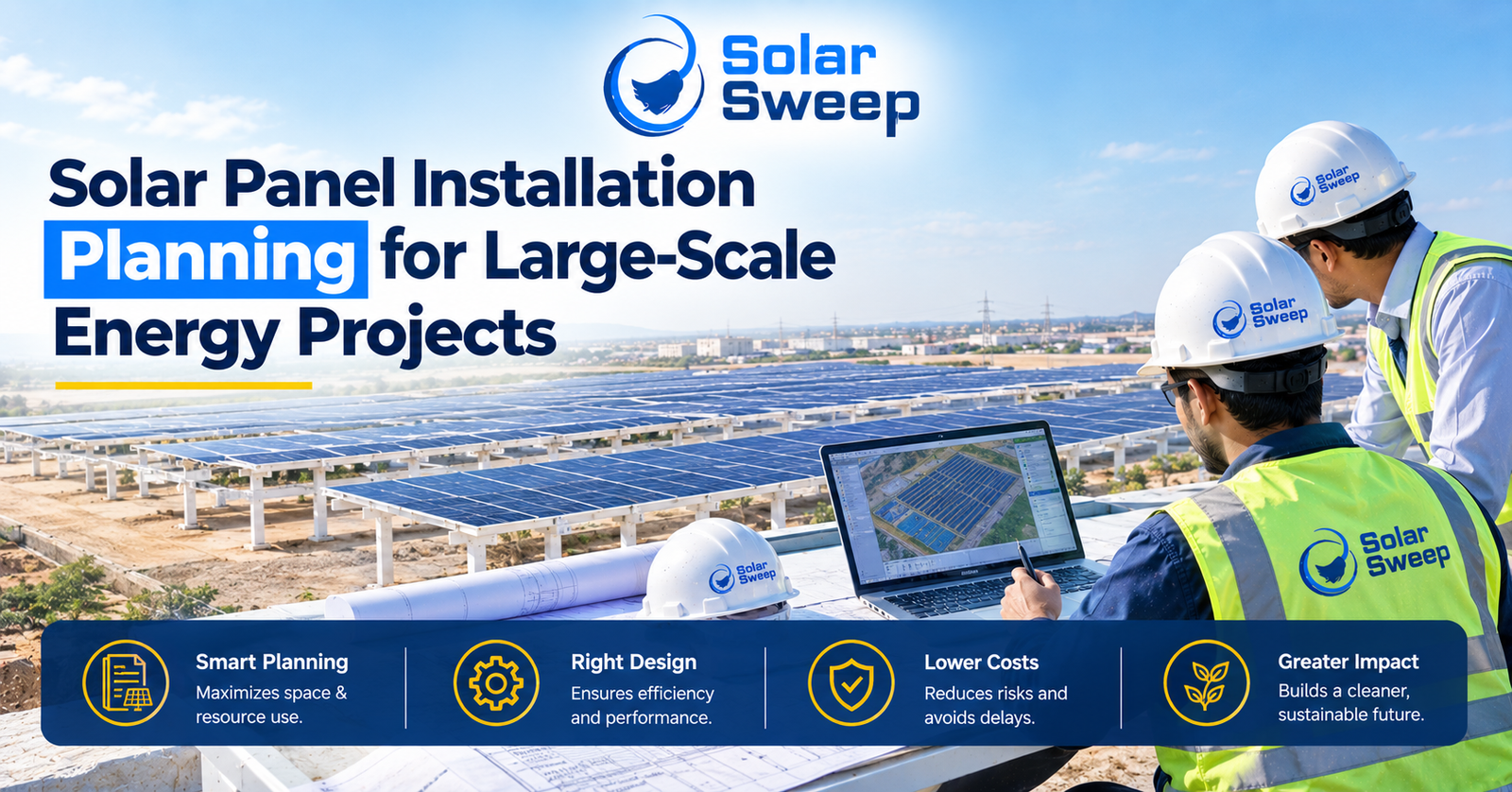
Large solar developments require decisions that go far beyond positioning photovoltaic modules on available land or rooftops. Solar Panel Installation Planning creates the technical framework for determining how space, electrical capacity, energy objectives, environmental conditions, and future expansion should influence a project. For commercial and utility-scale developments, decisions made before physical deployment can directly affect long-term energy generation and project economics.
Global solar development also continues to accelerate. The International Energy Agency reported that solar PV accounted for three-quarters of renewable capacity additions worldwide in 2023. This expansion makes structured Large Scale Solar Deployment increasingly important for organizations investing in substantial renewable-energy assets.
Strategic Site Planning Before Solar Deployment
An effective Commercial Solar Installation Strategy begins with understanding how the characteristics of a site influence the proposed energy system. Available area, shading exposure, orientation, structural limitations, electrical infrastructure, and expected energy demand all contribute to early planning decisions.
Detailed Solar System Design Considerations also help determine whether the proposed configuration makes efficient use of the available site. Rather than treating every project identically, planners can evaluate different layouts against energy objectives and physical constraints.
This stage of Solar Panel Installation Planning becomes particularly important when projects involve multiple buildings, extensive rooftops, industrial properties, or large ground areas. According to NREL research on utility-scale solar, system configuration and project characteristics remain important factors influencing solar project economics.
Designing for Capacity and Future Expansion
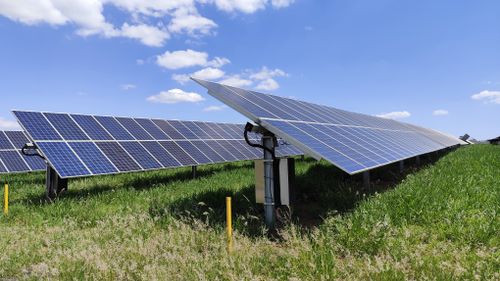
A strong Commercial Solar Installation Strategy should consider more than immediate electricity requirements. Organizations may expand facilities, electrify additional operations, introduce battery storage, or experience changes in demand.
These possibilities influence Solar System Design Considerations because today’s layout can determine tomorrow’s flexibility. Reserved electrical capacity, appropriate spatial allocation, and scalable system architecture can make Large Scale Solar Deployment more adaptable to changing business requirements.
Solar Panel Installation Planning therefore becomes a strategic exercise rather than simply a construction-stage activity. Professional planning from Solarsweep can help align solar development decisions with broader commercial energy objectives.
Coordinating Engineering Decisions Across Large Projects
Large projects frequently involve structural, electrical, architectural, and energy-related requirements simultaneously. A coordinated Commercial Solar Installation Strategy helps ensure that these disciplines are considered within one project framework.
Important Solar System Design Considerations can include module orientation, row spacing, electrical routing, inverter architecture, structural loading, and grid interconnection requirements. Each decision can influence another, making early coordination valuable for Large Scale Solar Deployment.
The International Renewable Energy Agency reports that solar PV has become one of the fastest-growing renewable technologies globally. As projects become larger and more sophisticated, Solar Panel Installation Planning can help developers approach deployment with clearer technical priorities.
Turning Installation Planning Into a Long-Term Strategy
Advanced planning allows organizations to evaluate solar infrastructure as a long-term energy asset. A well-defined Commercial Solar Installation Strategy can connect present project requirements with future operational goals.
Likewise, thoughtful Solar System Design Considerations can support better land or rooftop utilization, while structured Large Scale Solar Deployment enables organizations to coordinate complex projects more effectively. Ultimately, Solar Panel Installation Planning provides the foundation for making these interconnected decisions before major project commitments are made.
Frequently Asked Questions
Why is Solar Panel Installation Planning important for large projects?
Solar Panel Installation Planning coordinates site conditions, capacity requirements, system architecture, and long-term energy objectives before deployment.
What defines a Commercial Solar Installation Strategy?
A Commercial Solar Installation Strategy establishes project priorities around available space, electricity requirements, engineering constraints, scalability, and commercial objectives.
Which Solar System Design Considerations matter at the planning stage?
Key Solar System Design Considerations include orientation, spacing, electrical architecture, structural capacity, site utilization, and expected energy generation.
How does Large Scale Solar Deployment differ from smaller projects?
Large Scale Solar Deployment generally requires greater coordination across engineering disciplines, larger electrical capacities, extensive site layouts, and more complex project-development decisions.