
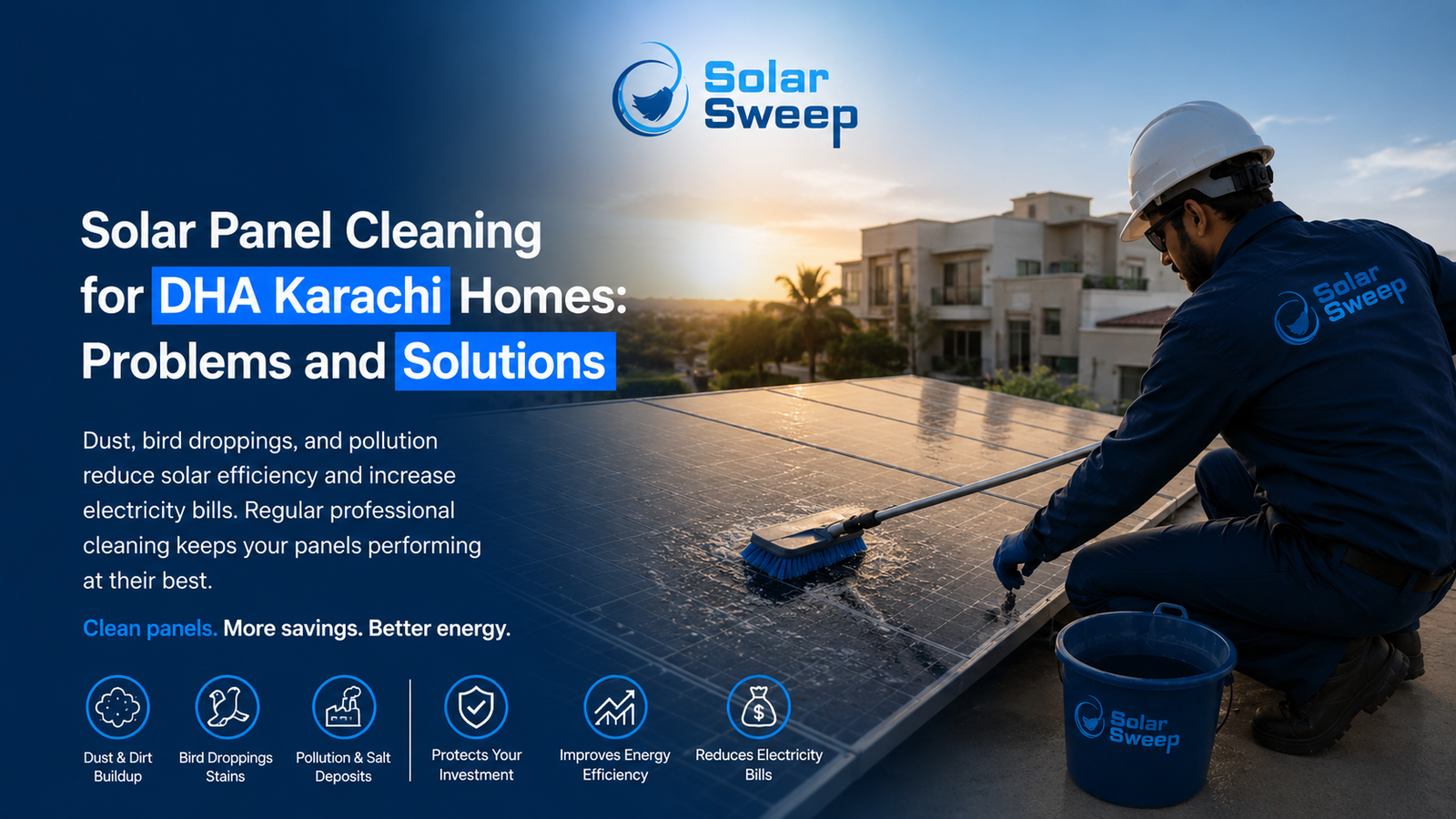
Rooftop solar systems in DHA Karachi face airborne dust, traffic pollution, humidity, coastal salt, bird droppings and intense heat. These conditions can reduce light reaching photovoltaic cells and make electrical or structural defects harder to identify.
Professional solar panel cleaning DHA Karachi should be treated as technical maintenance rather than a basic rooftop wash. A safe service combines suitable water, non-abrasive tools, controlled pressure and an inspection of modules, wiring, clamps and inverter performance.
Table of Contents
Problem 1: Dust and Pollution Reduce Solar Exposure
DHA contains busy roads, open plots and ongoing construction. Fine particles settle on module glass and may form a stubborn layer when mixed with moisture or urban pollution.
The IEA Photovoltaic Power Systems Programme identifies soiling as a major cause of photovoltaic underperformance and estimates average global energy losses of approximately 4% to 7%. Actual loss at an individual home depends on dirt levels, rainfall, panel tilt and cleaning frequency.
Solution: Use Condition-Based Cleaning
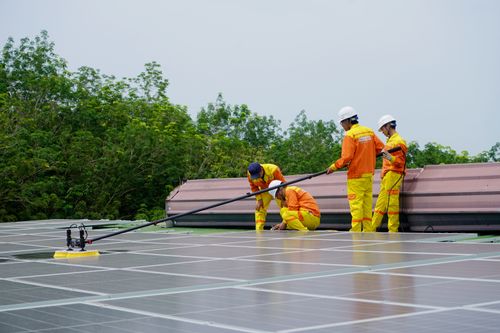
Homeowners shouldn’t rely only on a fixed monthly schedule. Rooftop solar cleaning Karachi should be arranged when visible buildup appears or production falls compared with similar clear days.
Loose dust should be removed gently before rinsing. A soft, module-safe brush or microfiber tool can then lift remaining dirt. Abrasive pads and dry scrubbing should be avoided because trapped grit may scratch the glass.
Problem 2: Salt and Humidity Leave Deposits
Homes closer to the coast may experience salt-bearing moisture settling on panels, frames and exposed fittings. Salt residue can make glass appear cloudy and may accelerate corrosion on unsuitable metallic parts.
Effective coastal solar panel care must address both cleanliness and equipment condition. Spraying modules without proper rinsing may simply move deposits toward the lower frame edge.
Solution: Rinse and Inspect
Panels should be rinsed with clean water before gentle wiping. Technicians should examine clamps, bolts, cable clips, earthing points and mounting profiles for salt deposits, rust, pitting or loose connections.
Corroded fittings should be assessed and replaced when necessary. Painting over corrosion without identifying its cause isn’t a dependable repair.
Problem 3: Hard Water Creates Mineral Spots
Water quality is often overlooked during DHA solar maintenance. When hard water dries on hot module glass, dissolved minerals can remain as white marks. Repeated use can produce deposits that become difficult to remove.
Solution: Use Suitable Water
Filtered, demineralised or low-total-dissolved-solids water is preferable where practical. Cleaning should take place early in the morning or later in the day when panels are cooler.
The surface shouldn’t be left with standing droplets under intense sunlight. A clean microfiber tool or suitable squeegee can remove excess water without heavy pressure.
Problem 4: Hot Panels and Pressure Washing Create Risk
Modules can become extremely hot in direct afternoon sunlight. Applying much cooler water creates unnecessary thermal stress. High-pressure jets can also force water toward junction boxes, connectors, seals and roof penetrations.
Technical solar panel cleaning DHA Karachi should account for module temperature, electrical safety and rooftop access.
Solution: Clean During Cooler Hours
Cleaning should be scheduled when panels are cooler. Water must be applied gently and directed away from vulnerable electrical points.
Workers should never stand, kneel or place equipment on modules. They should also avoid touching damaged connectors or exposed wiring and use proper fall-protection measures near roof edges.
Problem 5: Bird Droppings Cause Localised Shading
Bird waste is harder to remove than ordinary dust and can create concentrated shading over part of a cell. Leaves and nesting material may also collect beneath elevated arrays or around roof drains.
Routine residential solar maintenance DHA should include panel corners, rails and spaces beneath the array instead of only the visible centre of the glass.
Solution: Soften Deposits First
Hardened material should be soaked with clean water before gentle removal. Metal scrapers, blades and aggressive chemicals shouldn’t be used.
Bird-control accessories must be installed carefully so they don’t shade panels, trap heat, block ventilation or interfere with wiring.
Problem 6: Cleaning Doesn’t Correct Electrical Faults
A clean array may still underperform because of inverter alarms, damaged cables, shading, loose connectors or mismatched panel strings. This is why DHA solar maintenance should include performance review rather than ending when the glass looks clean.
The US Department of Energy explains that proper operation and maintenance can help optimise photovoltaic performance across the system’s service life.
Solution: Combine Cleaning With Inspection
Technicians should check inverter warnings, daily generation, cable support, connector condition and visible module damage. Electrical testing or thermal imaging may be useful when one section continues producing less power after cleaning.
A written record of output before and after service gives the homeowner a practical baseline for future comparisons.
How Often Should DHA Homeowners Clean Their Panels?
There’s no universal interval. Homes near construction, main roads, trees or frequent bird activity may need shorter cycles. Systems with steeper tilt or lower local dust may remain cleaner for longer.
The World Bank’s Global Solar Atlas provides solar-resource data that shows the importance of protecting access to available sunlight. Local inspection and production records, however, should determine the cleaning schedule.
A practical coastal solar panel care plan can include visual checks every few weeks, monthly generation reviews, cleaning when buildup becomes noticeable and a technical inspection annually or after severe weather.
What Should a Professional Service Include?
A complete residential solar maintenance DHA visit should cover:
- Module glass and frames
- Clamps, rails and fasteners
- Visible cables and connectors
- Earthing points
- Roof drainage and waterproofing
- Inverter alarms and generation history
- Before-and-after photographs
- Written repair recommendations
Homeowners arranging solar panel cleaning and maintenance should confirm that the service includes safe-access planning, suitable water, non-abrasive tools, inverter checks and photographs of visible defects.
Common Cleaning Mistakes
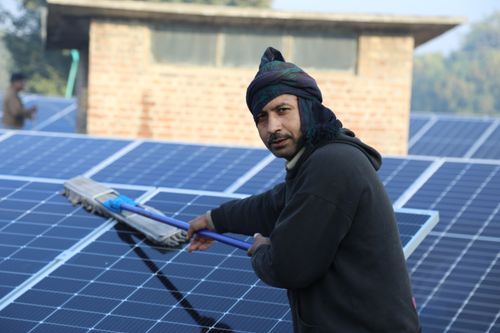
Poor rooftop solar cleaning Karachi practices include using detergent powder, rough brushes, metal scrapers or high-pressure jets near connectors. Cleaning panels at peak afternoon temperature and walking directly on modules can also cause damage or create serious safety risks.
Tools used for walls, floors or vehicles shouldn’t be reused on module glass because they may carry grease or abrasive particles.
Final Thoughts
The best DHA solar maintenance strategy addresses dirt, water quality, module temperature, inverter performance and mounting condition together.
A planned residential solar maintenance DHA programme helps homeowners solve dust, salt, hard-water and bird-related problems before they create persistent performance or safety concerns.
FAQs
Can Detergent Be Used on Solar Panels?
Harsh household detergents may leave films or affect coatings. Products should only be used when approved by the module manufacturer.
Is Rain Enough to Clean a DHA Rooftop System?
Rain may remove loose dust, but it often won’t remove bird droppings, oily pollution, mineral marks or salt residue. Periodic rooftop solar cleaning Karachi may still be required.
Does Every Production Drop Mean the Panels Are Dirty?
No. Reduced output may result from cloud cover, shading, inverter faults or electrical problems. Solar panel cleaning DHA Karachi should be combined with production analysis when losses are significant.
Does Coastal Exposure Require Additional Care?
Yes. Coastal solar panel care should include checks for salt deposits, corrosion and weakened fittings as well as surface cleaning.