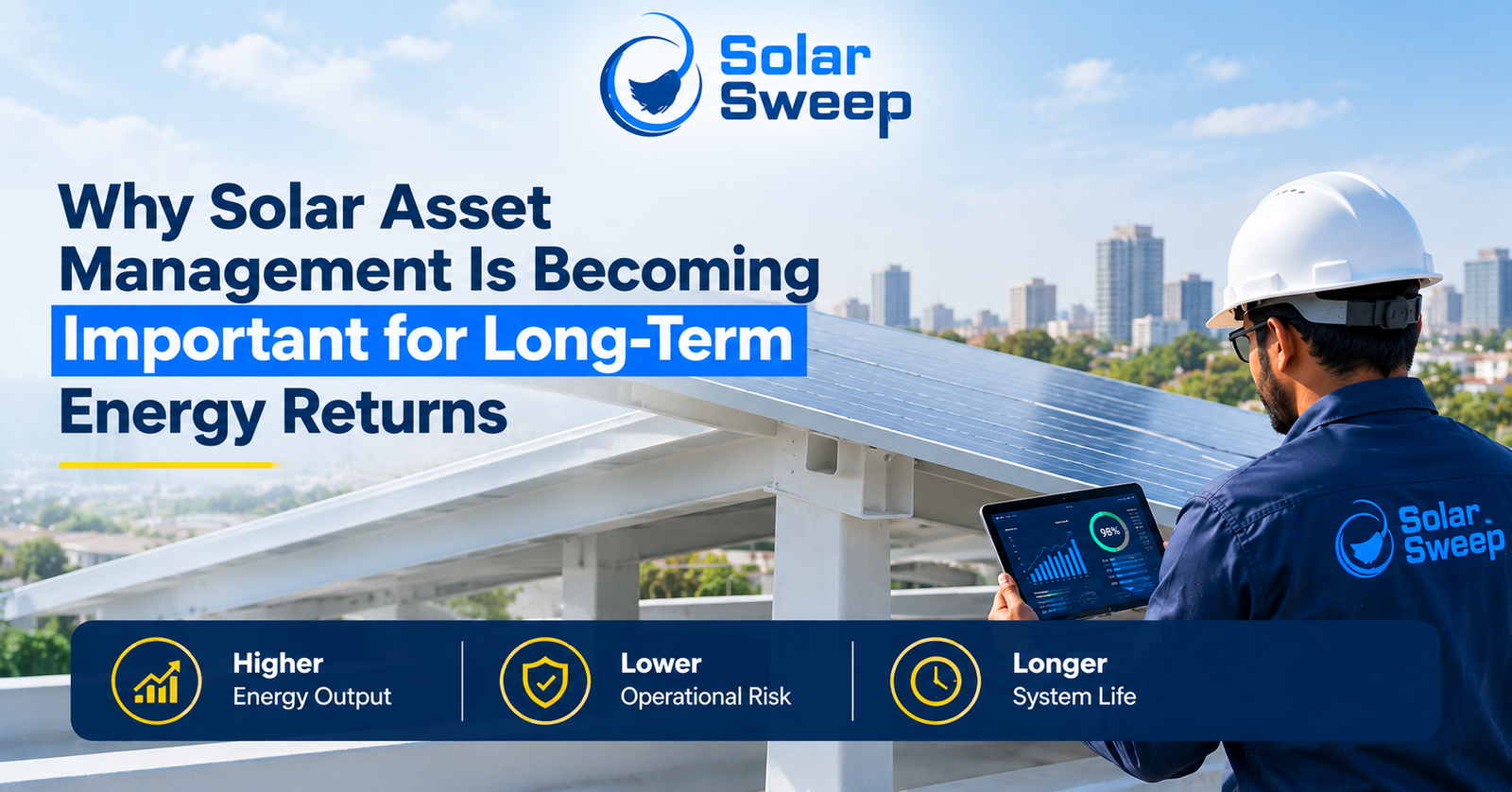
Solar energy is no longer only about installing panels and generating electricity. As more businesses and organisations invest in renewable energy, the focus is shifting toward protecting the value and performance of existing solar assets.
A solar system represents a long-term financial commitment. Without proper monitoring and management, performance can gradually decline, reducing expected savings and energy benefits.
This is why solar asset management Karachi is becoming an important approach for solar owners who want better visibility, improved performance, and stronger returns from their renewable energy investments.
Effective management helps businesses understand how their systems are performing and identify opportunities to maintain long-term value.
Table of Contents
Moving Beyond Solar Installation
Many solar owners focus heavily on the initial investment but overlook what happens after the system starts operating.
A solar asset continues to face changing conditions throughout its operational life. Weather, dust, environmental exposure, component ageing, and performance variations can influence energy production.
Through solar monitoring services, owners can track system behaviour, identify changes, and make informed decisions based on actual performance data.
The purpose of asset management is not only to solve problems. It is about creating a proactive approach where businesses understand their energy systems and protect their investment.
Why Monitoring Solar Performance Matters
Solar systems are expected to provide reliable energy savings for many years. However, without regular visibility, small performance changes may remain unnoticed.
A decline in solar system efficiency can happen due to several factors, including:
- Reduced energy generation
- Equipment performance changes
- Environmental impact
- Operational issues
Monitoring allows owners to compare expected and actual output, making it easier to identify areas requiring attention.
The International Energy Agency (IEA) highlights the continued global expansion of solar photovoltaic technology and the importance of improving system performance as solar adoption grows.
For businesses, better monitoring supports stronger decision-making and helps maximise the value of installed solar capacity.
Protecting Solar Investments Through Better Management
Solar systems are long-term assets, similar to machinery, buildings, or other business infrastructure.
Ignoring performance management can reduce the financial benefits expected from the investment.
Solar investment protection involves understanding system condition, tracking performance, and maintaining operational reliability.
A structured management approach helps businesses:
- Identify performance changes early
- Plan maintenance activities
- Improve energy forecasting
- Protect long-term savings
This approach becomes especially valuable for commercial and industrial users with larger solar installations.
The Role of Data in Renewable Energy Management
Modern solar systems generate valuable performance information.
Energy production records, inverter data, and operational reports can provide insights into system behaviour.
Through renewable energy management, businesses can use this information to improve planning and make better energy decisions.
Instead of reacting only after performance drops, organisations can analyse trends and take preventive action.
The U.S. Department of Energy explains that proper operation and maintenance practices are important for ensuring photovoltaic systems continue performing effectively throughout their lifecycle.
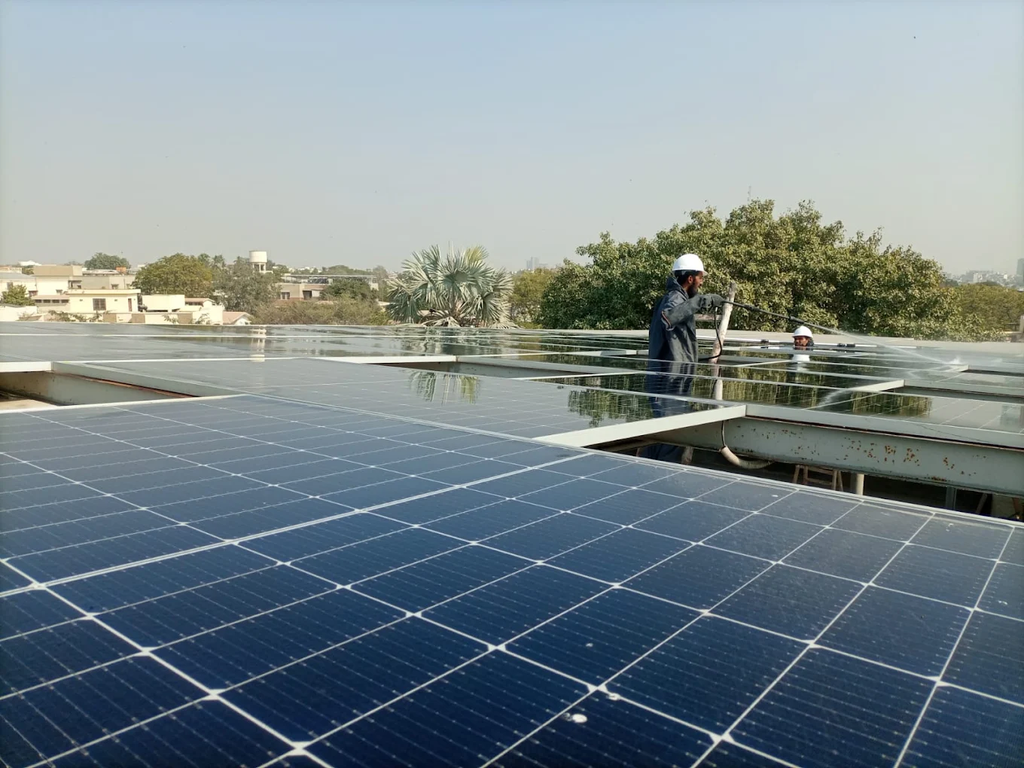
Improving Efficiency Through Continuous Evaluation
A solar system’s performance should not be measured only when it is first activated.
Continuous evaluation helps maintain expected output and highlights areas where improvements may be possible.
Professional solar monitoring services provide a clearer understanding of whether a system is delivering the value it was designed to achieve.
For businesses, improved visibility supports better budgeting, energy planning, and operational decisions.
A well-managed solar asset is easier to maintain because owners have information available before making important decisions.
How SolarSweep Supports Solar Asset Management
SolarSweep helps solar owners maintain better system visibility through professional monitoring, maintenance support, and performance-focused solutions.
The company supports customers who want to improve solar system efficiency and protect their renewable energy investments through consistent system care.
With increasing solar adoption, businesses need more than energy generation. They need confidence that their systems continue delivering expected results.
Through solar asset management Karachi, organisations can create a structured approach to monitoring, protecting, and improving their solar assets.
Long-term solar success depends not only on owning a solar system but also on understanding and managing its performance.
Final Thoughts
Solar energy investments require attention beyond the initial setup. As more businesses adopt renewable power, managing these systems effectively will become increasingly important.
Through solar asset management Karachi, solar owners can improve visibility, protect their assets, and achieve stronger long-term returns.
Combining solar monitoring services, better renewable energy management, improved solar system efficiency, and effective solar investment protection creates a stronger foundation for sustainable energy performance.
The future of solar is not only about producing clean energy. It is about managing that energy investment intelligently for years to come.
Frequently Asked Questions
What Is Solar Asset Management?
Solar asset management involves monitoring, evaluating, and maintaining solar systems to improve performance, reliability, and long-term value.
Why Are Solar Monitoring Services Important?
They help identify performance changes, track energy production, and provide information needed for better solar management decisions.
How Does Asset Management Protect Solar Investments?
It helps detect issues early, maintain system performance, and reduce avoidable losses over the operational life of the solar system.
Can Solar Asset Management Improve Efficiency?
Yes. Regular monitoring and evaluation can help identify factors affecting output and support better solar system efficiency.