
Bifacial photovoltaic modules are changing how solar systems capture sunlight. Unlike conventional modules that primarily generate electricity from the front, bifacial modules can also use light reaching their rear surface. That creates another maintenance consideration for Karachi installations: the condition of the space and surface behind the module.
This makes Bifacial Solar Cleaning Karachi a newer and more technical maintenance topic for commercial rooftops, open structures and installations using elevated bifacial modules.
According to the IEA PVPS, bifacial gain depends on factors including ground reflectivity, module height, row spacing and the amount of light reaching the rear side. That means the rear environment can influence actual system performance.
Why Bifacial Modules Need a Different Maintenance View
Traditional solar cleaning usually focuses on the front glass.
With bifacial modules, that approach can miss part of the operating environment.
Bifacial Panel Maintenance Karachi needs to consider both the front surface and the conditions underneath or behind the modules. Dust, debris, leaves and other contamination can affect the rear side, while objects placed beneath the array can alter the amount of reflected light reaching the cells.
The issue becomes particularly relevant where modules sit above rooftops, car parks, open structures or reflective surfaces.
A bifacial system isn’t simply a conventional solar array with a different panel. Its energy yield depends partly on how effectively the rear side receives usable light.
What Makes Rear-Side Cleaning Different?
Rear Side Solar Cleaning Karachi requires more attention to access and module construction.
The rear surface may contain transparent material, electrical components, junction areas, cables and mounting hardware. Cleaning teams therefore need to understand the module layout before applying water or tools.
A rear-side cleaning process shouldn’t involve unnecessary pressure or contact with electrical components.
The objective is to remove relevant contamination while maintaining the condition of the module and its connections.
Research on bifacial modules has shown that rear-side soiling can occur at measurable levels. One experimental study of a 10 kWp rooftop system found substantially lower dust accumulation on the rear glass than the front surface, but rear contamination still affected light transmission.
Why Karachi’s Environment Makes This Relevant
Karachi combines dust, coastal conditions, humidity, traffic pollution and long periods of strong sunlight.
For Bifacial Solar Cleaning Karachi, the rear environment deserves attention because contamination doesn’t necessarily accumulate in the same pattern on both sides.
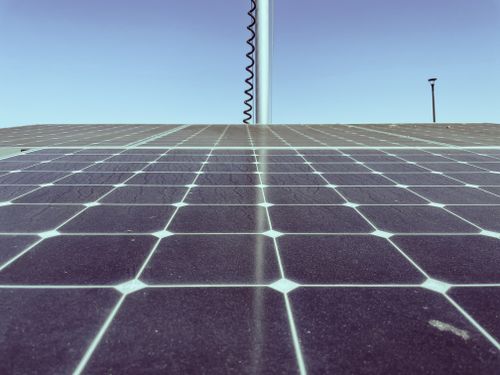
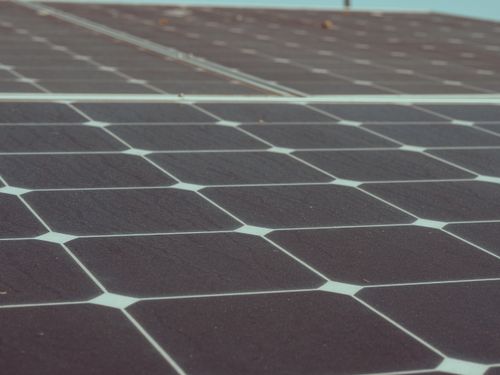
The front glass receives direct airborne contamination.
The rear side may collect material from the rooftop, surrounding structures, vegetation, birds or airborne dust circulating beneath the array.
This means Bifacial Panel Maintenance Karachi should assess the complete installation rather than treating every module as a flat front-facing surface.
Rear-Side Performance Depends on the Surrounding Surface
A major difference with bifacial systems is the importance of albedo, which describes how much incoming light a surface reflects.
The IEA PVPS identifies ground reflectivity as one of the important factors influencing bifacial performance.
A clean, reflective surface can provide useful rear-side illumination.
A contaminated surface may reflect light differently.
That makes Bifacial PV Performance Karachi connected to more than panel cleanliness. The condition of the surrounding area can also influence how much useful light reaches the rear of the module.
Cleaning Shouldn’t Automatically Mean More Frequent Washing
The goal isn’t to wash both sides simply because the module is bifacial.
A professional Rear Side Solar Cleaning Karachi assessment should first determine whether contamination is actually significant enough to justify intervention.
Cleaning frequency can depend on module elevation, installation geometry, surrounding surfaces, local contamination and the measurable effect on production.
The IEA PVPS notes that bifacial systems have different soiling characteristics and that rear-side soiling can differ considerably from front-side soiling.
That makes Bifacial Panel Maintenance Karachi more useful when it is based on actual site conditions rather than a fixed assumption.
Measuring the Real Performance Difference
Bifacial PV Performance Karachi should ideally be evaluated using production information rather than visual appearance alone.
A maintenance team can compare generation patterns, inspect the front and rear environments, document contamination and identify whether cleaning changes operating performance.
This approach becomes particularly valuable for larger commercial systems.
The latest IEA PVPS Trends report estimates that bifacial modules can provide meaningful additional energy depending on system design and conditions, with bifacial gains affected by factors such as albedo and tracking configuration.
Therefore, protecting the conditions that enable rear-side generation deserves attention.
What Professional Bifacial Maintenance Should Include
A proper Bifacial Solar Cleaning Karachi service should begin with an inspection.
Technicians can examine the front surface, rear surface, module spacing, surrounding rooftop or ground surface, mounting arrangement and accessible electrical components.
They can then determine whether cleaning is necessary and which areas require attention.
For Rear Side Solar Cleaning Karachi, access methods also matter. Workers should avoid stepping on modules or putting unnecessary mechanical pressure on the rear structure.
The cleaning method should follow the module manufacturer’s requirements.
How Solar Sweep Can Help
Solar Sweep can support Karachi solar owners with professional cleaning and maintenance services designed around the actual condition of the installation.
For Bifacial Panel Maintenance Karachi, the important point is to assess the entire module environment instead of concentrating exclusively on the front glass.
For systems using bifacial technology, this approach can help identify rear-side contamination, surrounding surface issues and other maintenance conditions that ordinary front-facing cleaning may overlook.
The New Direction of Bifacial PV Maintenance
Bifacial technology is making solar maintenance more technical.
The industry can no longer evaluate every module using exactly the same assumptions because energy production increasingly depends on module design, mounting geometry and the environment around the array.
For Bifacial PV Performance Karachi, rear-side conditions form part of that equation.
Bifacial Solar Cleaning Karachi therefore isn’t simply about washing another surface. It’s about understanding how both sides of a module interact with the surrounding environment.
As bifacial installations become more common, Bifacial Panel Maintenance Karachi will need to consider rear-side access, surrounding-surface cleanliness and actual performance evidence.
That makes Rear Side Solar Cleaning Karachi a specialised part of modern PV maintenance rather than an extension of ordinary panel washing.
FAQs
Why do bifacial solar panels need special cleaning?
Bifacial modules can receive useful light from their rear side. Bifacial Solar Cleaning Karachi considers both module surfaces and the surrounding environment that affects rear-side light.
Does the rear side get as dirty as the front?
Not necessarily. Research has found that rear-side soiling can be lower than front-side soiling, but contamination can still reduce rear-side light transmission.
Does the rooftop surface affect bifacial performance?
Yes. Ground or rooftop reflectivity influences the amount of light available to the rear of bifacial modules. This makes the surrounding surface relevant to Bifacial PV Performance Karachi.
How often should bifacial modules be cleaned?
There is no universal interval. Rear Side Solar Cleaning Karachi should depend on the installation environment, contamination level, module arrangement and evidence that cleaning can improve performance.