With the solar energy growing in dry terrain, it has become an ordeal to keep panels in high dust regions like Rajasthan, Dubai, and Riyadh. Inadequate supply of water, dust storms and dry winds render traditional cleaning to be inefficient and unsustainable. Waterless cleaning of solar panels is redefining the way of maintenance, and it is making sure that the cleaners get the maximum achieved and that much water has been saved.
The Dust Scourge in Dry Climates
The presence of dust on solar panels in the desert states of India and other parts of the Middle East can easily cut down the generation of power. Such areas are under persistent dust deposition as opposed to humid conditions which offer cleaning at an occasional cost.
Key contributors include:
- Frequent Sandstorms: coarse grains of sand fall in layers on panels in the course of several days.
- Industrial and Construction Dust: Cities of the larger cities and industries introduce grime.
- Low Rainfall: In most regions, there is minimal rainfall and this means that cleaning will hardly be possible since the rainfall is less than 200 mm annually.
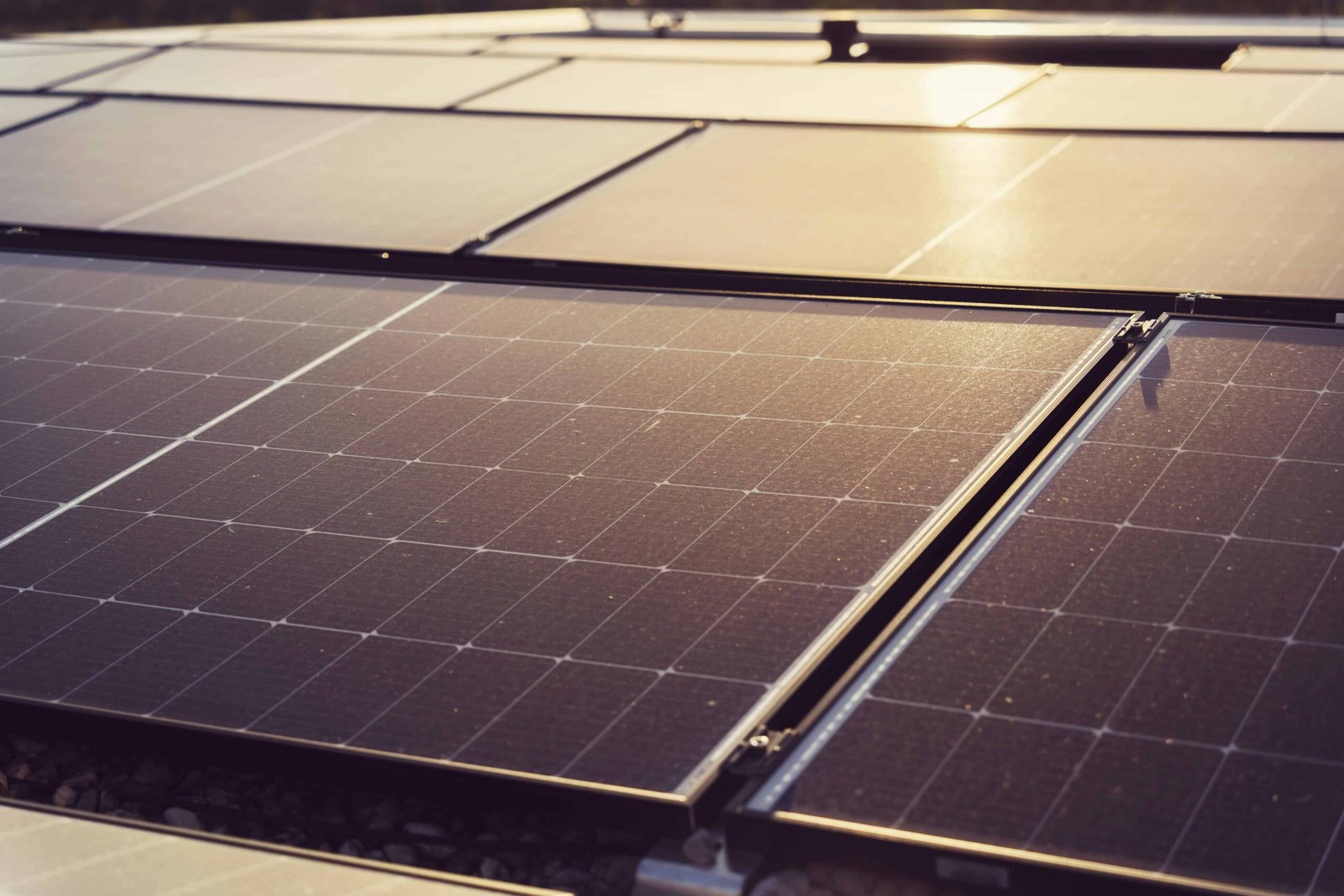
The accumulation of this magnitude resembles a blanket and prevents the efficiency of the solar radiation by 20-40 percent. Even the best solar systems fail to achieve their performance levels without proper maintenance.
The reason why Traditional Cleaning is Ineffective
Traditional cleaning process is based too much on water and detergents. But in dusty areas it is a problematic strategy:
- Water Scarcity: Water is a very valuable resource in arid areas, and it is not sustainable to use thousands of liters of water to clean something.
- Residue Formation: Hard water may have minerals that leave streaks and marks under the occurrence of drying, which in turn makes the panel less transparent.
- Manual Applied Labor and Expenses: High frequency of washings implies more labor and higher expenses incurred, and the possibility of damaging it through incorrect scrubbing.
These restrictions inspired the solar sector to consider more environmental-friendly and efficient options- and this gave rise to waterless technology of cleaning.
The Waterless Cleaning Process
The new waterless cleaning machines are developed based on the ability to clean hard dust without a drop of water. It usually follows the following steps:
- Soft Rotating Brushes: It is manufactured out of anti-static fibers that can pick up dust effectively without leaving marks on the glass.
- Air Blowers or Robotic Wipes: Loose particles are pursued by means of pressure or vibration.
- Dry Polymer Coats: There are some improved systems that use anti-dust coats which make particle sticking less.
One of the leaders in the area of messaging solar maintenance, Solar Sweep has mastered these methods to provide the streak-free cleaning, as well as an efficient one in the desert environments that are highly unfriendly. their robotic system can cover extensive bottes of solar farms with uniform accuracy and do that with minimum human interference.
Advantages of Adapting Waterless Cleaning
A waterless system has several benefits to the areas with dust and water crisis:
- Water Conservation: Upto 1000 liters of water that are saved on panels perwash.
- Long-Lasting Efficiency: Panels are better because they are long lasting and cleaning is done less frequently with a high energy production.
- Reduced Long Term Maintenance Costs: The reduced cost of manpower and the elimination of chemicals result in lower maintenance costs in the long run.
- Environmentally Friendly: Zero wastewater runoffs, zero detergents and zero mineral deposits.
As companies such as Solar Sweep are able to provide high-tech cleaning services, solar operators will be able to make sure that their panels will work to their maximum potential even in the most extreme conditions.
Adapting to Regional Needs
The waterless cleaning method will not be consistent in India and the Middle East because dust is not composed of the same elements and climate is not the same. In India, the use of clay-like fine dust and industrial pollution requires low-mechanical cleaning at regular rate. In the Middle East, brushes need to be stronger and anti-static coating applied to achieve permanent results because of coarse sand and air contaminated with salty desert winds. Solar Sweep will be region-specific in determining the cleaning solutions, which means that the cleaning solutions in every location will be maximally efficient and protect solar properties.
Maintaining a sustainable Future
Since solar energy is used as a source of clean power in arid areas, there must be sustainable maintenance practices. Waterless cleaning is not only a matter of innovation but also it is a necessity. By substituting water-based, tremendous, and wet methods of washing with sorry, dry and efficient techniques, solar companies are:
- Preserving water resources.
- Reducing operational costs.
- Increasing panel life and output.
Conclusion
It is sweeping through India dusty plains and the deserts of Middle East to waterlessly clean solar systems, change the manner in which renewable power systems are serviced. No longer dust, heat, and a water shortage poses a hindrance to efficiency. Using development solutions by Solar Sweep, solar farms will be able to reach an optimal performance and also contribute to sustainability objectives. High-dust regions are not only saving their investments by adopting such technologies but also breaking the way towards a cleaner, smarter as well as water conscious future of energy production.